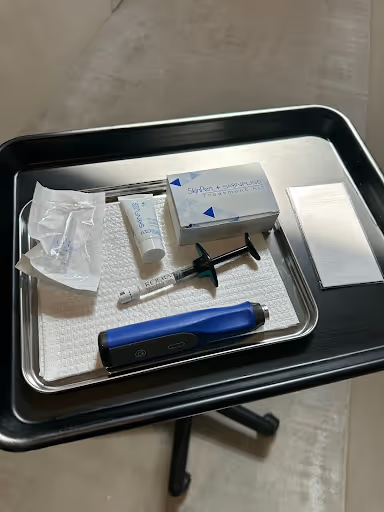
How does tirzepatide treatment work?
Tirzepatide is a once-weekly injection. The FDA-approved labeling says treatment starts at 2.5 mg once weekly for 4 weeks, and that starting dose is for initiation only, not maintenance. Dosing is then increased gradually as tolerated.
That gradual ramp matters because it helps patients adjust and can improve tolerability.
What should patients expect?
Tirzepatide is not meant to replace lifestyle changes. The FDA-approved use is specifically as an adjunct to reduced-calorie intake and increased physical activity.
In real life, that means the best programs usually include:
- medical screening
- dose titration over time
- nutrition guidance
- exercise or movement support
- follow-up visits
- ongoing review of side effects, progress, and goals
A good weight loss program should focus on more than the prescription itself.
What are the common side effects?
Common side effects listed in the prescribing information include:
- nausea
- diarrhea
- vomiting
- constipation
- abdominal pain
- injection site reactions
- fatigue
- burping and reflux-related symptoms in some patients.
Many side effects are gastrointestinal, especially when starting or increasing the dose, which is one reason close follow-up matters.
Who should not use tirzepatide?
Tirzepatide carries a boxed warning related to thyroid C-cell tumors seen in rats. It is contraindicated in patients with a personal or family history of medullary thyroid carcinoma (MTC) or in patients with Multiple Endocrine Neoplasia syndrome type 2 (MEN 2).
It also is not recommended to use tirzepatide together with other tirzepatide-containing products or with another GLP-1 receptor agonist.
Why physician-led care matters
There are a lot of online conversations around GLP-1 medications, but not all treatment models offer the same level of oversight. A physician-led program should include:
- screening for appropriate candidacy
- review of contraindications
- counseling on side effects
- individualized dosing
- monitoring over time
- a plan for what happens if the medication is not well tolerated or not the right fit
Weight loss care should be personalized, not one-size-fits-all.
A note on compounded tirzepatide
This is an area where clarity matters. The FDA has said tirzepatide does not currently appear on the FDA drug shortage list, and the agency has also warned about concerns involving unapproved or fraudulent compounded GLP-1 products.
If patients are exploring treatment, it is worth asking exactly what product is being prescribed, where it comes from, and what oversight is involved.
Tirzepatide at Kloud
At Kloud, our approach to tirzepatide is simple: thoughtful screening, physician-led care, realistic expectations, and a focus on long-term health rather than hype.
If you’re interested in tirzepatide for weight loss in Los Angeles, we recommend starting with a consultation to review your goals, medical history, and whether treatment makes sense for you.
Book a consultation with Kloud to learn whether tirzepatide is the right fit for your weight loss plan.